Solar energy is growing fast across the Big Island and for good reason. With year-round sunshine and some of the highest electricity rates in the U.S., solar power is no longer just an eco-friendly option, it’s a financial one.
Most homeowners begin by searching for Big Island solar companies to understand pricing. But the real cost of going solar includes more than just panels. This guide breaks down true system costs, hidden sales commissions, savings, and why pricing varies so much between companies, so you can make a confident, informed decision.
Average Cost of Solar Panels on the Big Island
Typical Residential System Cost
For most Big Island homes:
- System size: 6–10 kW
- Average upfront cost: $20,000 – $35,000 (before incentives)
Final pricing depends on:
- Roof size & orientation
- Energy usage
- Equipment quality
- Battery storage (optional)
Most Big Island solar companies perform a site inspection before confirming pricing.
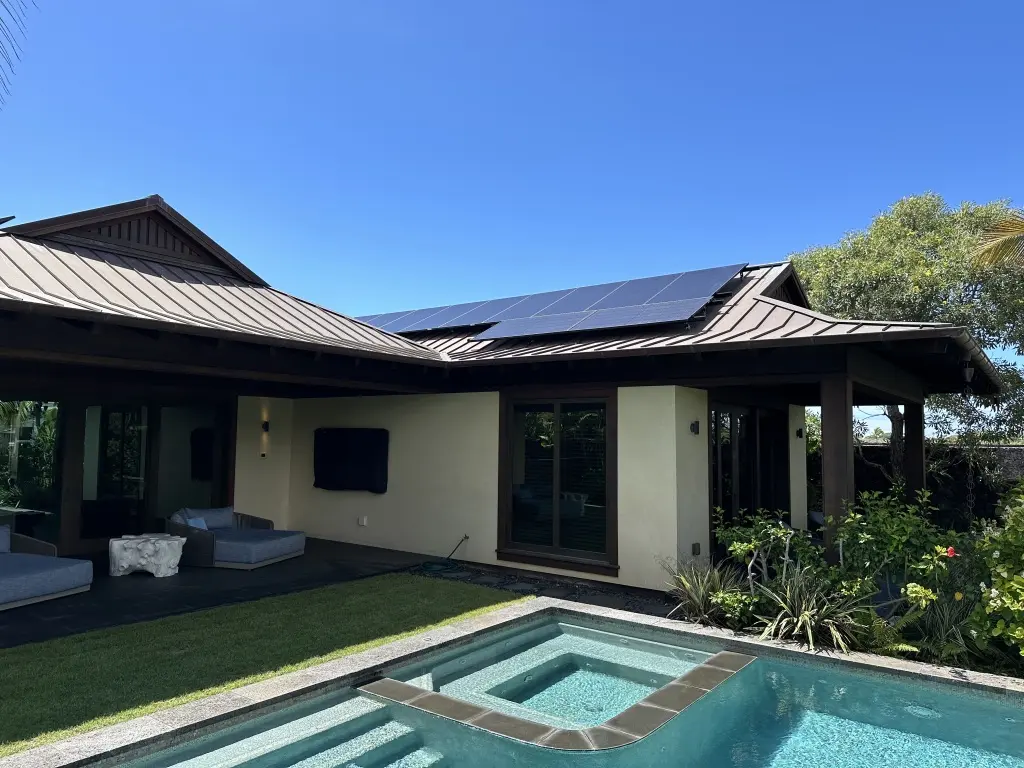
Installation Costs: What You’re Really Paying For
Installation costs cover:
- Skilled local labor
- Electrical wiring & inverter setup
- Roof mounting & safety equipment
- Utility interconnection
Poor installation leads to roof damage, system failure, or denied permits—so workmanship matters as much as panels.
Permits, Inspections & Local Regulations
Solar installations require:
- County permits
- Utility approval
- Final safety inspections
Permit costs are modest but unavoidable. Reputable Big Island installers handle this process for homeowners, saving time and stress.
Battery Storage: Optional but Valuable on the Big Island
Do You Need a Battery?
Battery systems:
- Store excess daytime power
- Provide backup during outages
- Improve energy independence
Added cost: $8,000 – $15,000 depending on capacity
Batteries are especially valuable in areas with:
- Frequent outages
- Rural grid connections
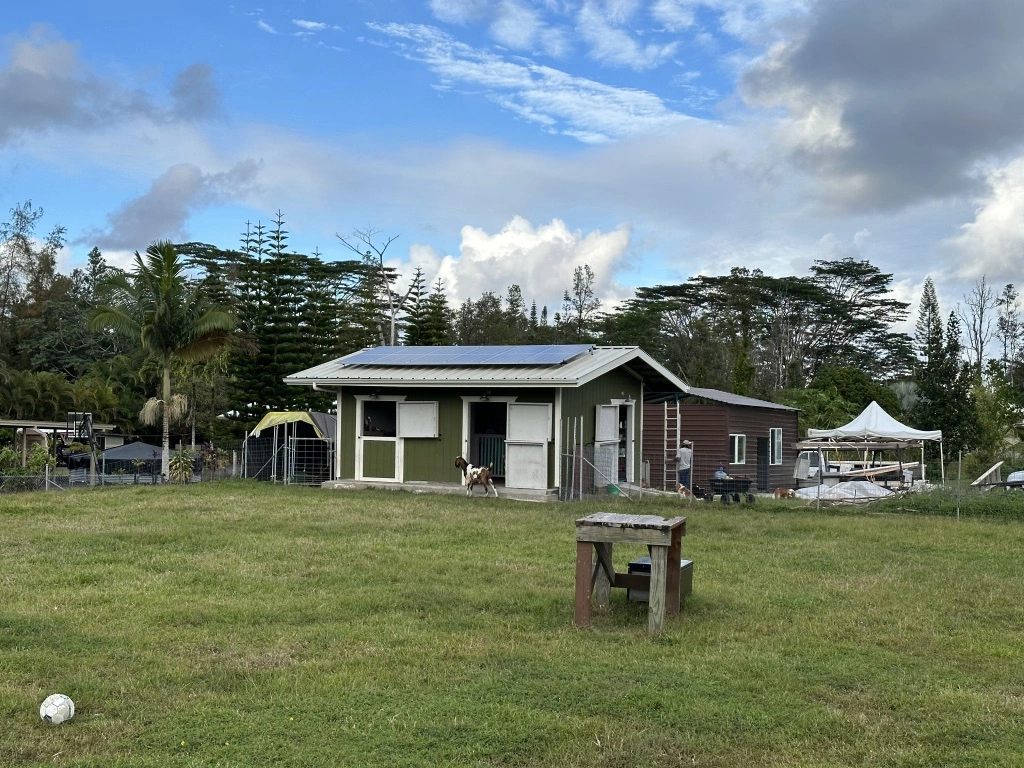
Maintenance Costs Over Time
Solar systems require very little maintenance:
- No moving parts
- Rain naturally cleans panels
- Occasional inspection recommended
Most panels last 25–30+ years and come with long warranties.
The Hidden Cost Most Solar Companies Don’t Explain: Sales Commissions
How Most Solar Companies Price Their Systems
Many large solar companies rely on commission-based sales teams.
Typical sales commissions:
- 10%–25% of total system cost
- Often $4,000–$10,000+ per system
- Built directly into your quoted price
This means you’re paying for sales commissions, not better equipment.
Why BlueSky Hawaii Costs Less (No Sales Commission Model)
BlueSky Hawaii’s Transparent Pricing Advantage
Unlike many Big Island solar companies, BlueSky Hawaii does NOT use commission-based salespeople.
What this means for homeowners:
- No inflated pricing
- No aggressive sales pressure
- Lower system cost
- Honest, engineering-based recommendations
BlueSky Hawaii focuses on system performance, quality equipment, and fair pricing.
Bottom line: No sales commissions equals better value and more solar for your money.
Choosing the Right Solar Company on the Big Island
When comparing companies, ask:
- Are sales reps commission-based?
- Is pricing transparent?
- Who designs the system—sales or engineers?
- What warranties are included?
Local experience matters more than brand size.
Equipment Quality: Panels, Inverters & Lifespan
High-quality equipment performs better in island conditions, lasts longer, and reduces long-term repair costs.
Cheap systems often cost more over time due to failures and replacements.
Common Myths About Solar Costs
Myth: Solar is only for wealthy homeowners Fact: Financing options make solar affordable for most households
Myth: Solar doesn’t work on cloudy days Fact: Panels still produce power with indirect sunlight
Final Thoughts: The True Cost of Solar on the Big Island
The real cost of going solar includes equipment, installation, permits, incentives, and sales commissions which are often hidden.
By choosing a transparent provider like BlueSky Hawaii, homeowners avoid inflated prices and get better long-term value. Solar isn’t just clean energy, it’s smart island living.
Frequently Asked Questions (FAQ)
How much does solar cost on the Big Island after incentives?
Most systems cost $14,000–$25,000 after federal tax credits, depending on size and battery options.
Why do some solar quotes differ so much?
Pricing differences are often due to sales commissions, equipment quality, and financing structures.
Is BlueSky Hawaii cheaper than large solar companies?
Yes. Because BlueSky Hawaii does not pay sales commissions, their pricing is typically lower and more transparent.